Safety Management On-board
Safety Redefined: Setting Sail with Safety, Every Stage of the Way.
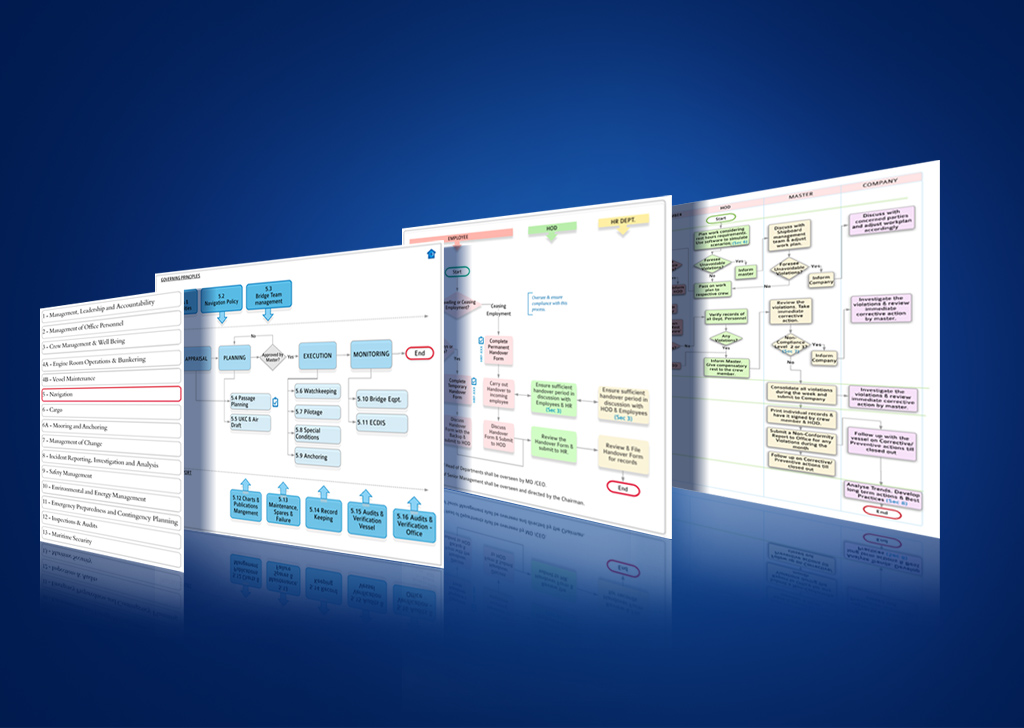
At IMM, we understand the importance of safety management at every stage and phase of the shipping management process. Hence, we have specially developed a handbook named “IMSAFE” that outlines the basic and advanced safety techniques as well as safety management systems integrated by IMM for both onshore and offshore personnel. At IMM, we also focus on development, implementation, and auditing of safety management systems for both vessels and offshore facilities to comply with international standards like the ISM Code.
Safety Processes
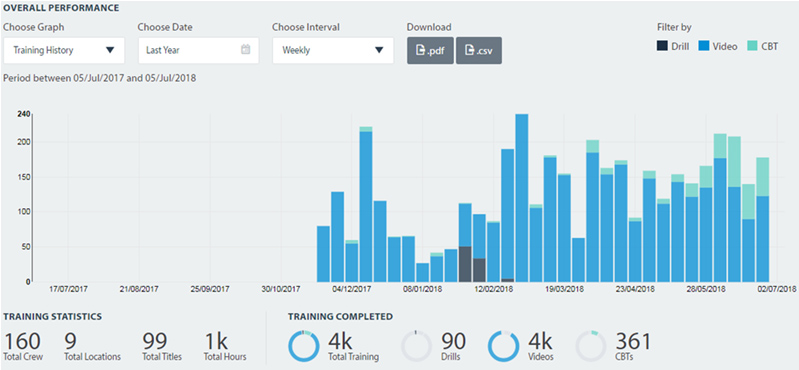
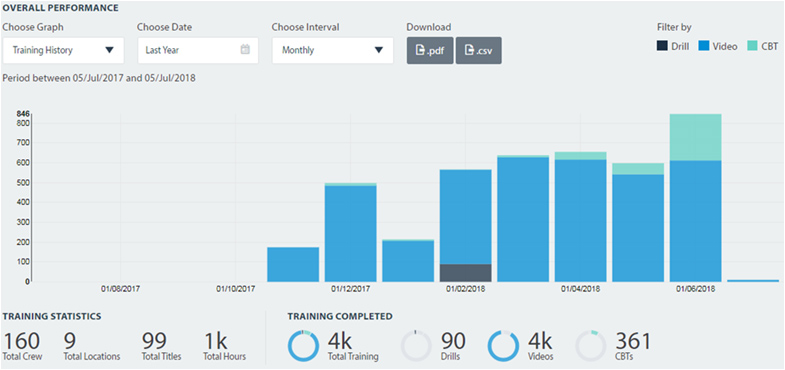
In addition to our regular training programmes, we also conduct basic and advanced safety training programmes for our personnel. Basic safety training is mandatory for all crew members and includes essential skills for handling emergencies and ensuring personal safety. For those in more senior or specialized roles, advanced safety training is required. Our special offshore safety and emergency response training programme provides offshore personnel training.
- Basic Safety Training (BST)
- Advanced Safety Training
- Off-shore Personnel Training
- Offshore Safety Induction and Emergency Training (OSIE)
- Helicopter Underwater Escape Training (HUET)
- Offshore Crane Operations
- Offshore Platform Safety and Operations
Basic Safety Training (BST)
| 1. Personal Survival Techniques (PST) |
| Crew are taught to survive at sea in the event of abandonment, including how to use life-saving equipment like life jackets, life rafts, and survival craft. |
| 2. Fire Fighting and Fire Prevention (FFFP) |
| Here, training is provided on how to detect, prevent, and respond to fires aboard the ship, using firefighting equipment and managing onboard fire emergencies. |
| 3. Elementary First Aid (EFA) |
| This module covers basic medical skills to provide first aid treatment for injuries and illnesses onboard before professional medical help is available. |
| 4. Personal Safety and Social Responsibility (PSSR) |
| Here, crew is taught to work safely and responsibly on board and how to act in emergency situations, including basic social responsibility to ensure safe living and working conditions. |
Advanced Safety Training
| 1. Advanced Fire Fighting |
| This module focuses on more in-depth training in combating fires, including fighting fires in enclosed spaces and the use of advanced firefighting equipment. |
| 2. Proficiency in Survival Craft and Rescue Boats (PSCRB) |
| Here, crew members are trained to handle lifeboats, rescue boats, and other survival craft during emergencies. |
| 3. Crowd Management and Passenger Safety (for passenger vessels) |
| Essential training is provided for managing large groups of people during an emergency, including evacuation procedures and ensuring passenger safety. |